Profile Photo Mistakes Gay Men Make on Apps
Lesezeit: 9 Minuten
Your profile photo gets 0.3 seconds to make an impression on dating apps—that's the average time users spend deciding whether to swipe left or right, according to a 2019 study published in the journal Cognition. Yet most gay men sabotage their chances before anyone even reads their bio. The biggest profile photo mistakes aren't about being photogenic or having model-worthy looks—they're about strategic choices that kill your match rate instantly.
Whether you're navigating free gay dating apps or premium platforms, your photos determine who sees your profile in the first place. Dating app algorithms prioritize profiles with high engagement, meaning poor photos create a vicious cycle: fewer matches lead to lower visibility, which leads to even fewer matches. Let's fix the most common errors that keep your profile buried.
The Sunglasses-in-Every-Photo Problem
Hiding behind sunglasses in all your photos sends one clear message: you're not ready to be seen. Eyes create connection, and dating app users instinctively distrust profiles where they can't see someone's face clearly. Research from OkCupid's data science team found that profiles with sunglasses in the main photo receive 63% fewer messages than those without.
Save the aviators for one beach photo max. Your primary image should show your face in natural lighting with clear eye contact. This builds trust before someone even reads your profile text.
The same principle applies to photos taken from extreme angles or distances. If people need to squint to see what you look like, they won't bother—they'll just swipe left and move on to the next profile.
Group Photo Confusion: Which One Are You?
Group photos belong in your profile, but never as your main image. When potential matches have to play detective to figure out which person you are, you've already lost their interest. Tinder's internal data shows that profiles with a solo shot as the first photo get 42% more right swipes than those starting with group pictures.
Here's the reality: most people assume you're the least attractive person in a group photo. It's a cognitive bias called the "cheerleader effect" working in reverse. When you force viewers to guess, they often guess wrong or simply don't invest the mental energy.
Use group photos strategically in positions 3-5 of your profile to show you have friends and a social life. Just make it crystal clear which person you are in the first two photos. Better yet, use a small arrow or circle to indicate yourself if the group shot is particularly important to you.
The Shirtless Bathroom Selfie Epidemic
Shirtless photos aren't automatically profile photo mistakes—context matters enormously. A shirtless beach photo or pool party picture shows you're confident and fit while doing something interesting. A bathroom mirror selfie with visible toilet in the background screams desperation and low effort.
According to research by Hinge, profiles with bathroom selfies receive 90% fewer likes than those without. The environment matters as much as what you're wearing. If you want to show your physique, choose photos from natural settings: hiking, swimming, playing sports, or even a well-composed gym photo that doesn't look like it was taken mid-workout.
Think about what each photo communicates beyond just your appearance. Does it show personality, hobbies, or lifestyle? The best profiles tell a story through images. Just like choosing the right cologne for gay dates, your visual presentation should be intentional and context-appropriate.
Outdated Photos That Don't Match Current Reality
Using photos from 2015 when you had more hair and less weight might get you more initial matches, but it destroys your credibility when you meet in person. This is arguably the most damaging of all profile photo mistakes because it affects both your online and offline dating success.
A 2021 study from Stanford University found that 80% of online daters feel deceived when meeting someone who looks significantly different from their photos. That feeling of deception doesn't lead to second dates—it leads to being blocked.
Your photos should represent how you look right now, within the past 6-12 months maximum. If you've changed significantly, update your pictures. Authenticity builds trust, and trust is the foundation of any connection worth having.
Poor Lighting That Makes You Invisible
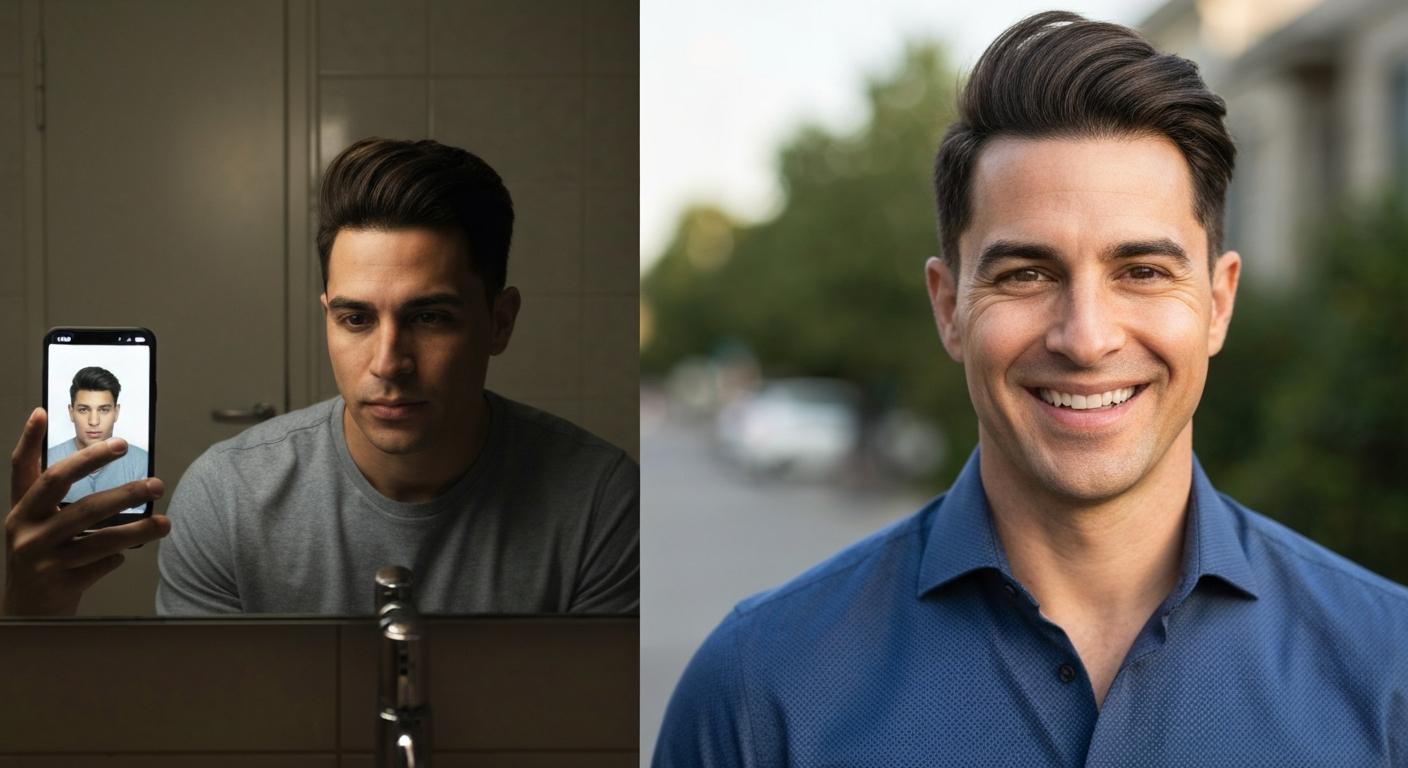
Dark, poorly lit photos are instant swipe-lefts. Your potential matches aren't going to increase their screen brightness to see what you look like. Natural daylight creates the most flattering, trustworthy images—photographers have known this for decades.
Photos taken during golden hour (the hour after sunrise or before sunset) make everyone look better. The soft, warm light is naturally flattering and creates depth. Avoid harsh overhead lighting, which creates unflattering shadows under your eyes and nose.
If you're taking indoor photos, position yourself near a window with natural light coming from the side. This creates dimension and warmth that artificial lighting rarely achieves. Ring lights have become popular for a reason—they provide even, flattering illumination that mimics natural light.
The All-Filtered, No-Reality Approach
Heavy filters and excessive editing make you look insecure and fake. While light touch-ups are acceptable, transforming yourself into a completely different person backfires spectacularly. Apps like Facetune have created a generation of profile photos that look more like digital art than actual people.
A 2020 survey by the Pew Research Center found that 71% of dating app users consider heavily filtered photos a red flag. The filters that smooth your skin, enlarge your eyes, and slim your face create unrealistic expectations that reality can't match.
Use editing for basic adjustments: brightness, contrast, and color correction. Skip the beautification features that alter your facial structure. The goal is to look like the best version of yourself, not like someone else entirely.
Missing Variety: All Photos Look the Same
Six photos of your face from slightly different angles tell people nothing about you. Your profile should showcase different aspects of your personality and lifestyle. This applies whether you're on the best gay dating apps or niche platforms.
Create a balanced photo lineup with these elements:
- One clear face shot with good lighting and genuine smile
- One full-body photo showing your build and style
- One activity photo demonstrating a hobby or interest
- One social photo showing you with friends or at events
- One travel or adventure photo revealing your experiences
This variety gives potential matches multiple conversation starters and a fuller picture of who you are. Someone might not connect with your gym photo but love your travel shot from Barcelona or your picture at a concert.
The No-Smile, Trying-Too-Hard-to-Look-Serious Issue
Smiling makes you more approachable and attractive—it's basic psychology. Yet countless gay men fill their profiles with serious, unsmiling photos in an attempt to look mysterious or masculine. This strategy fails because approachability trumps mysterious aloofness on dating apps.
PhotoFeeler, a platform where users rate profile pictures, consistently finds that photos with genuine smiles score 14-23% higher in attractiveness ratings than identical photos without smiles. The smile doesn't need to be teeth-showing—even a subtle, warm expression dramatically improves your appeal.
Reserved expressions work for fashion models in magazines, but you're trying to attract dates, not sell designer clothes. Your main photo should definitely include a smile or at minimum a warm, friendly expression that invites conversation.
How to Audit Your Current Profile Photos
Take an honest inventory of your current photos against these common profile photo mistakes. Ask a trusted friend for feedback—preferably someone who will be brutally honest rather than politely supportive.
Better yet, use tools like PhotoFeeler or Phototest to get objective ratings from strangers. These platforms let you test different photos before committing them to your dating profile. The data-driven feedback often reveals surprising insights about which images actually perform best.
Check your photo metadata to confirm dates. Your phone stores this information automatically, making it easy to see if you're using old pictures. If you can't remember taking the photo or what year it was, it's probably too old to use.
Professional Photos: Worth the Investment?
Professional photography might seem excessive for dating apps, but it can be worth it if approached correctly. The key is finding a photographer who specializes in lifestyle portraits, not corporate headshots or dramatic fashion photography.
Professional photos work when they look natural and candid, not staged and obvious. Tell your photographer you want images for online dating and need variety: different outfits, locations, and moods. Budget between $150-300 for a session that gives you 8-10 usable images.
The return on investment can be significant if photography isn't your strength. Just ensure the final images still look like authentic moments from your life, not a professional modeling portfolio that sets unrealistic expectations.
Frequently Asked Questions
How many profile photos should I include on gay dating apps?
Include 5-7 photos for optimal results. Fewer than four makes you seem secretive or low-effort, while more than eight becomes overwhelming. Quality beats quantity—five great diverse photos outperform nine mediocre similar ones. Each photo should serve a specific purpose and show a different aspect of your life.
Should my main profile photo show my body or just my face?
Your primary photo should be a clear face shot with your head and shoulders visible. Save full-body photos for positions 2-3 in your lineup. People connect with faces first, then assess overall compatibility. A 2022 study from the University of Iowa found that face-focused primary photos generate 38% more engagement than full-body shots.
How often should I update my dating app photos?
Refresh at least one photo every 2-3 months and do a complete profile overhaul every 6-12 months. Many apps boost newly updated profiles in their algorithms, giving you increased visibility. Plus, regular updates ensure your photos accurately represent your current appearance, preventing the disappointment mismatch when meeting in person.
Are black and white photos acceptable for dating profiles?
Use black and white sparingly—one artistic photo maximum. Most of your profile should be in color so people can see your actual appearance. Black and white can seem like you're hiding something or trying too hard to be artistic. If you include one, make sure it's professionally composed and not just a filter attempting to hide poor lighting.
What's the biggest single change that improves profile photo success?
Replace your main photo with a well-lit, smiling face shot taken within the past six months. This single change addresses multiple common profile photo mistakes simultaneously: poor lighting, outdated images, and unapproachable expressions. According to Hinge's data team, profiles that make this specific change see match rates increase by an average of 32% within the first week.
Stop Sabotaging Your Own Success
Profile photo mistakes cost you matches, conversations, and potential connections every single day your profile stays unchanged. The good news? These are completely fixable problems that don't require you to change who you are—just how you present yourself.
Start with your main photo today. Replace it with a recent, well-lit image where you're smiling and making eye contact with the camera. Then audit the rest of your lineup for variety, authenticity, and current accuracy. These changes take 30 minutes but can transform your entire dating app experience.
Your photos are your first impression, your opening line, and your initial pitch all rolled into one. Make them count. Ready to optimize your entire dating approach? Check out our guide on reading body language on first dates to ensure your in-person game matches your improved online presence.