Video Call Verification: Screen Gay Matches Before Meetups

Lesezeit: 12 Minuten
You've been chatting with someone amazing for three days, exchanged 200 messages, and now he wants to meet tonight at 8 PM. But something feels off—his photos look professionally shot, his stories seem rehearsed, and he keeps avoiding your questions about a quick video call. Video call verification isn't paranoia; it's basic safety protocol that could save you from wasting an evening or worse, encountering a catfish who's been stringing you along with stolen photos and fabricated stories.
According to a 2022 study published in the Journal of Social and Personal Relationships, approximately 53% of online daters admit to lying on their dating profiles, with photos being the most common deception. For gay men navigating dating apps like Grindr, Scruff, or specialized platforms, the stakes feel even higher when community sizes in some cities remain limited and privacy concerns persist.
Why Video Call Verification Protects Your Time and Safety
Video call verification serves as your first real-time checkpoint before committing to an in-person meetup. Unlike static photos that can be years old or heavily filtered, a live video interaction reveals current appearance, mannerisms, and communication style. This screening method became mainstream during the COVID-19 pandemic when Bumble reported a 70% increase in video calls between March and May 2020.
The verification process accomplishes three critical goals simultaneously. First, it confirms the person matches their profile photos and descriptions. Second, it establishes whether your conversational chemistry translates beyond text messages. Third, it demonstrates that your match respects safety protocols and values transparency—essential qualities for any potential connection.
For gay men specifically, video verification addresses unique challenges within LGBTQ+ dating spaces. Stolen photos from Instagram influencers or adult content creators frequently appear on dating profiles. A 2023 report from the Federal Trade Commission noted that romance scams cost Americans $1.3 billion in 2022, with LGBTQ+ individuals experiencing disproportionately higher victimization rates.
How to Propose Video Verification Without Sounding Paranoid
Timing matters when suggesting video calls. Wait until you've exchanged at least 15-20 meaningful messages over two to three days. This establishes rapport while avoiding the awkwardness of requesting video contact with a complete stranger. Frame the suggestion positively rather than as an interrogation.
Try this approach: "I'd love to see your smile in real-time before we meet. How about a quick 10-minute FaceTime tomorrow evening?" This phrasing emphasizes connection rather than suspicion. Most genuine matches will appreciate your directness and agree immediately.
If someone resists video verification, pay attention to their reasoning. Legitimate concerns include privacy around roommates or family, work schedules, or genuine camera shyness. Reasonable people will propose alternative times or brief calls. Red flags include anger at the suggestion, elaborate excuses involving broken cameras across multiple devices, or attempts to rush directly to meeting without any video contact.
Platform Options for Screening Calls
Choose video platforms strategically based on your comfort level with sharing personal information. FaceTime works well for iPhone users but requires exchanging phone numbers. WhatsApp video calls offer end-to-end encryption while requiring only a phone number. Zoom or Google Meet provide options that don't require revealing your number if you create meeting links.
Instagram and Snapchat video calls work when you've already connected on those platforms. However, these apps lack the professional boundary that dedicated video conferencing tools provide. For initial verification, stick with platforms where you control the information sharing level.
What to Observe During Your Verification Call
The first 60 seconds of video contact reveals more than 100 text messages. Start by confirming visual consistency with profile photos. Reasonable differences include lighting variations, different hairstyles, or casual clothing versus styled photos. Significant discrepancies—different facial structure, 20+ years age difference, or completely different body types—indicate deception.
Watch for natural conversation flow and eye contact patterns. Genuine people maintain relatively steady eye contact and respond spontaneously to questions. Catfish operators often read from scripts, avoid specific questions about their photos or location, or display unusual nervousness disproportionate to a casual video chat. Understanding first date body language helps you read these subtle signals even through a screen.
Listen to how they discuss their life details. Authentic people provide specific information naturally—"I work at the Microsoft office downtown near Pike Place Market" rather than vague statements like "I work in tech somewhere in Seattle." Ask follow-up questions about details from previous conversations. Someone living their actual life won't struggle to remember their own stories.
Technical Red Flags That Demand Attention
Be wary of consistently poor video quality when their internet connection seems fine for messaging. Some scammers use intentionally grainy video or claim camera malfunctions to hide the fact they're using pre-recorded footage or aren't the person in the photos. Request they wave, hold up a specific number of fingers, or perform another simple action to confirm live interaction.
Notice the background environment. Does it match what they've described about their living situation? A claimed penthouse apartment shouldn't have dorm-style furniture. Multiple calls from different locations without explanation might indicate someone hiding their true circumstances.
Building Trust Through Pre-Meetup Video Conversations
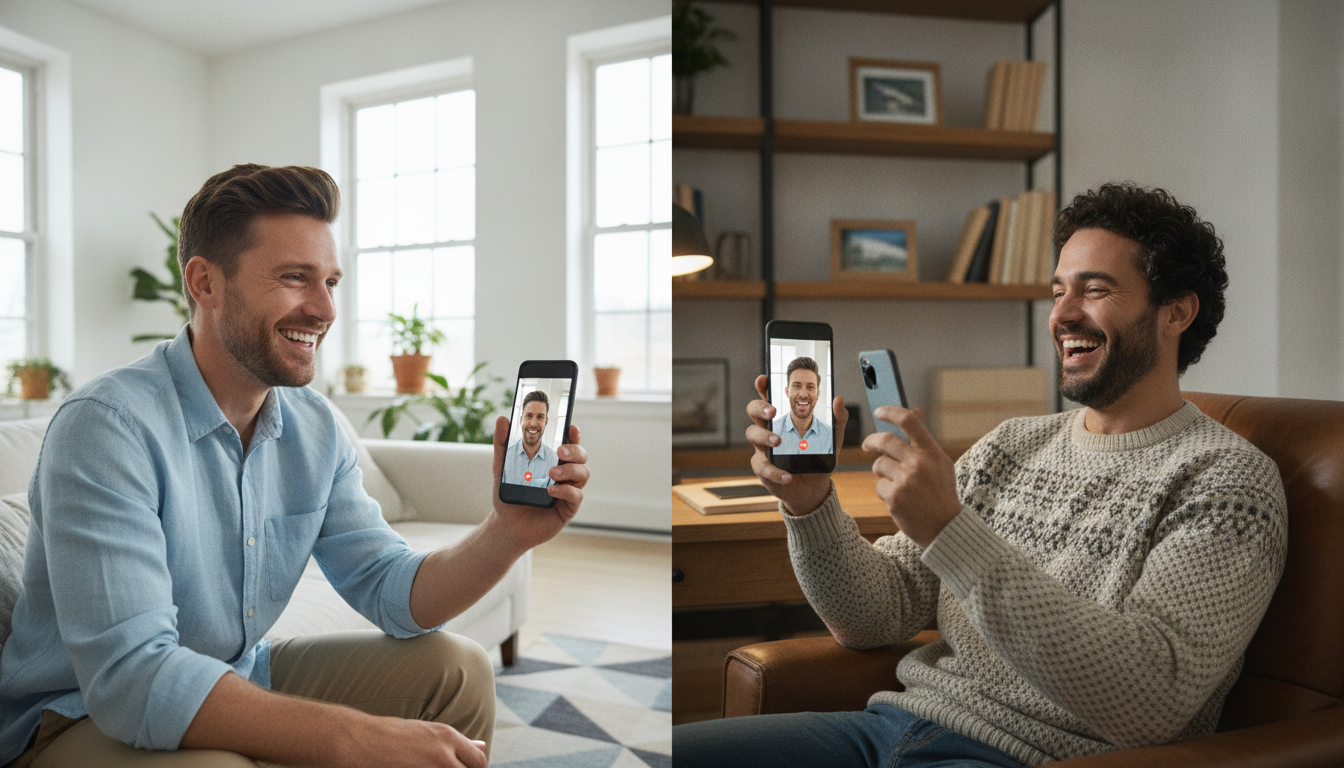
Video call verification extends beyond catfish prevention into genuine trust building. Schedule at least two video calls before your first in-person meetup—one brief 10-15 minute verification call, then a longer 30-45 minute conversation a day or two later. This progression mirrors how offline relationships develop gradually.
The second call allows deeper topics beyond surface-level verification. Discuss your expectations for the meetup, preferred date activities, and communication styles. This conversation helps prevent mismatched expectations that often derail first dates. Someone seeking casual connections might not align with someone hoping for a potential life partner, and video calls clarify these intentions better than text.
According to research from Stanford University published in 2023, couples who engaged in video conversations before meeting in person reported 32% higher satisfaction rates after their first date compared to those who met without prior video contact. The familiarity built through video interaction reduces first-date anxiety and creates smoother initial chemistry.
When Video Verification Reveals Deal Breakers
Not every failed verification indicates malicious intent. Sometimes video calls expose incompatibilities that texting concealed. Perhaps their communication style feels aggressive in real-time, or their mannerisms trigger discomfort. These discoveries save both parties from uncomfortable in-person encounters.
If the video call confirms catfishing or significant deception, end the conversation politely but firmly. You don't owe detailed explanations to someone who misrepresented themselves. A simple "I don't think we're a match, but I wish you well" suffices. Block them on the dating platform and any apps where you connected.
Report egregious catfishing to the platform's safety team. Most apps including Grindr, Scruff, and mainstream options like Tinder take impersonation seriously. Your report might prevent others from experiencing the same deception. This community-minded approach strengthens safety across LGBTQ+ dating spaces.
Integrating Video Verification Into Your Dating Routine
Make video call verification your standard practice for every potential meetup. This consistency removes awkwardness—it becomes expected rather than exceptional. Include it in your dating profile bio: "I always do a quick video call before meeting in person—keeps everyone safe and comfortable." This transparency attracts like-minded matches who value security.
Just as you'd check profile photo quality before swiping, integrate video verification as a non-negotiable step. The 15 minutes invested in a screening call prevents wasted hours on dead-end dates or potentially dangerous situations. Your time and safety deserve this basic protection.
Consider video verification especially crucial for sugar dating arrangements where financial elements add complexity. Power dynamics in these relationships require extra caution about verifying identities before proceeding. The same verification principles apply whether you're meeting someone for coffee or discussing arrangement terms.
Preparing Yourself for Successful Verification Calls
Your video presentation matters as much as theirs. Choose a well-lit location with a neutral background—good lighting shows you have nothing to hide. Test your camera angle beforehand; positioning it at eye level creates the most flattering and natural perspective. Poor lighting or unflattering angles might make you appear different from your photos, creating the same trust issues you're trying to avoid.
Dress casually but presentably. You don't need formal attire for verification calls, but appearing in a ratty t-shirt contradicts profile photos showing your put-together side. Match the energy level you presented in your profile—if your photos show an active lifestyle, don't conduct the video call while lying in bed at 2 PM.
Have conversation topics ready beyond appearance verification. Ask about their week, recent experiences with dating apps, or hobbies mentioned in their profile. This transforms verification from interrogation into genuine connection-building. The goal isn't just confirming identity but assessing whether you actually want to meet this person.
Managing Your Own Camera Anxiety
Many people feel uncomfortable on video calls, especially with relative strangers. Practice with friends first if video anxiety affects you. The more video calls you complete, the more natural they become. Remember that your match likely shares similar nervousness—acknowledging this mutual vulnerability often breaks the ice effectively.
Focus on the conversation rather than your own image on screen. Most video platforms let you hide self-view. Use this feature if constantly seeing yourself increases anxiety. Your match cares more about engagement and personality than whether you're perfectly positioned in frame.
Red Flags That Mean You Should Cancel the Meetup

Trust your instincts during video verification. Certain behaviors signal you should cancel plans regardless of how attractive or charming someone seems. Aggressive responses to reasonable questions, pressure to skip verification and meet immediately, or obvious intoxication during your call all warrant ending communication.
Watch for inconsistent stories between text conversations and video discussions. If someone claimed to be a lawyer in messages but stumbles over basic questions about their work during video calls, they're likely lying about significant life details. These deceptions rarely exist in isolation—if someone lies about career, they're probably lying about relationship intentions too.
Signs of hidden relationships also emerge during video calls. Frequent glances off-screen, whispered conversations, or reluctance to show their full living space might indicate a partner or spouse unaware of their dating activities. While non-monogamy exists legitimately in gay relationships, deception about relationship status creates ethical and safety concerns.
After Successful Verification: Planning Your Safe Meetup
Once video verification confirms you want to meet, apply additional safety layers. Choose public locations for first meetups—coffee shops, restaurants, or bars with steady foot traffic. Understanding gay nightlife safety helps you select appropriate venues if evening dates feel more comfortable.
Share your plans with a trusted friend. Send them your match's profile, screenshots of conversations, and your meetup location and time. Agree on a check-in schedule—a text message 30 minutes into the date and another when you arrive home safely. This accountability system provides backup if something goes wrong.
Arrange your own transportation to and from the meetup. Don't accept rides from someone you're meeting for the first time, regardless of how well your video calls went. Maintaining control over your exit options keeps you safe if the in-person chemistry doesn't match the video interaction.
Common Questions About Video Call Verification
When should I suggest a video call with a new match?
Propose video verification after exchanging 15-20 meaningful messages over two to three days. This timing establishes enough rapport to make video calls feel natural while occurring before you've invested excessive emotional energy. If someone suggests meeting in person before you've had any video contact, insist on a verification call first regardless of how long you've been messaging.
What if my match refuses video calls but seems genuine otherwise?
Legitimate privacy concerns exist, but refusal to video verify before meeting raises serious questions. Offer alternatives like very brief 5-minute calls at times when privacy concerns don't apply. If someone consistently refuses all video contact across multiple suggested times and platforms, they're hiding something. Move on to matches who respect your safety requirements.
How long should video verification calls last?
Initial verification calls can remain brief—10 to 15 minutes suffices to confirm identity and basic chemistry. Schedule a second, longer call of 30 to 45 minutes one to two days later if the first call goes well. This progression builds familiarity gradually. Avoid marathon video calls exceeding an hour before meeting; save some conversation topics and mystery for your in-person date.
Should I video verify for every single match or just serious prospects?
Verify before every in-person meetup regardless of your intentions for the connection. Casual hookups deserve the same safety protocols as potential relationship partners. The 15 minutes spent on verification prevents dangerous situations whether you're meeting for coffee or heading to someone's apartment. Make video call verification your universal standard rather than situation-dependent.
What platform offers the best balance of privacy and functionality?
WhatsApp provides strong end-to-end encryption while requiring only phone number exchange. Google Meet allows creating links without sharing numbers if you prefer more anonymity initially. FaceTime works seamlessly for iPhone users already comfortable sharing numbers. Choose platforms where you control information sharing levels and feel technically comfortable. The specific app matters less than consistently using video verification before all meetups.
Make Video Verification Your Dating Standard
Video call verification transforms online dating from risky gambles into informed decisions. The 10 to 15 minutes invested in screening calls prevents catfishing, builds genuine trust, and reveals compatibility issues before wasting time on incompatible meetups. For gay men navigating dating apps where community sizes vary and safety concerns persist, this verification step provides essential protection.
Start implementing video verification with your very next match. Update your profile to mention your verification policy, making it clear you prioritize safety and transparency. As more people adopt this practice, the entire dating ecosystem becomes safer for everyone. Your willingness to verify also signals to quality matches that you're serious, safety-conscious, and worth their time.
Ready to screen your matches more effectively? Explore verified connections through platforms that prioritize safety and authenticity. Your perfect match is out there—make sure you're actually meeting the person from the photos.